Backyard birds are a delightful presence, and many people enjoy observing them. However, these birds can be affected by various parasites, including mites, lice, and worms. Understanding these parasites and their signs is the first step toward providing appropriate support. This article explores common parasites in backyard birds, how to identify them, and safe ways to help affected birds.
Parasites are a natural part of the ecosystem, and wild birds often carry them without severe consequences. However, in some cases, infestations can become heavy and impact the bird’s health. By learning about these parasites, you can make informed decisions about whether and how to intervene. It is important to remember that wild birds are not pets, and any intervention should be done with care and respect for their wild nature.
This article provides an overview of mites, lice, and worms that commonly affect backyard birds. It discusses the signs of infestation and offers guidance on safe practices that may support bird recovery. The information is intended for educational purposes and should not replace professional advice from wildlife rehabilitators or veterinarians.
Understanding Common Parasites in Backyard Birds
Backyard birds can host a variety of parasites, both external and internal. External parasites, such as mites and lice, live on the bird’s body or in its feathers. Internal parasites, like worms, reside inside the bird’s body, often in the digestive tract. Each type of parasite has unique characteristics and effects on the host.
Mites are tiny arachnids that can infest birds. There are several types, including feather mites, skin mites, and air sac mites. They feed on feathers, skin, or blood, depending on the species. Lice are insects that also live on birds, feeding on feathers and skin debris. Worms, such as roundworms, tapeworms, and flukes, are internal parasites that can affect a bird’s digestion and overall health.
These parasites are common in wild bird populations, and many birds carry them without showing obvious signs. The presence of parasites does not necessarily mean the bird is unhealthy. However, when infestations become severe, they can lead to discomfort, weakness, and other health issues. Recognizing the signs can help you determine if a bird might need support.
Identifying Signs of Mites and Lice
Mites and lice are external parasites that can cause visible changes in a bird’s appearance and behavior. Mites are often more active at night, while lice are typically active during the day. Observing birds closely can reveal signs of infestation.
Common signs of mites and lice include excessive preening, scratching, and feather damage. Birds may appear restless or have dull, ragged feathers. In severe cases, feathers may be missing, and the skin may appear red or irritated. You might also notice tiny moving specks on the bird or around its perch, which could be mites or lice.
To check for external parasites, you can examine bird feathers or nesting materials. Using a magnifying glass can help you see mites or lice more clearly. However, it is important to avoid handling wild birds unnecessarily, as this can cause stress. If you suspect an infestation, observing from a distance is often sufficient to note signs.
It is worth noting that some birds may have mites or lice without showing obvious signs. A healthy bird can often tolerate a moderate number of parasites. The key is to watch for changes in behavior or appearance that suggest the bird is struggling.
Recognizing Signs of Worms in Birds
Internal parasites like worms can be more challenging to detect because they are not visible externally. However, there are behavioral and physical signs that may indicate a worm infestation. These signs can vary depending on the type and severity of the infestation.
Birds with worms may appear lethargic, lose weight, or have a decreased appetite. Their droppings might change in consistency or color, sometimes containing visible worm segments or eggs. In some cases, birds may have difficulty breathing or show a dropped wing posture. However, these signs can also be caused by other health issues, so they are not definitive on their own.
To identify worms, a veterinarian or wildlife rehabilitator can perform a fecal examination. This involves examining a sample of the bird’s droppings under a microscope to look for worm eggs or segments. If you are not trained to handle wild birds, it is best to seek professional help for diagnosis.
Even if you cannot confirm worms, observing a bird’s overall condition can help you decide if it needs assistance. A bird that is consistently weak, has poor feather condition, or is unable to fly may be suffering from a heavy parasite load or another ailment.
Safe Ways to Support Affected Birds
When you notice a bird that appears to be struggling with parasites, there are several safe ways to offer support. The primary goal is to reduce stress and provide a clean environment. It is important to remember that wild birds are resilient, and many can recover on their own with minimal intervention.
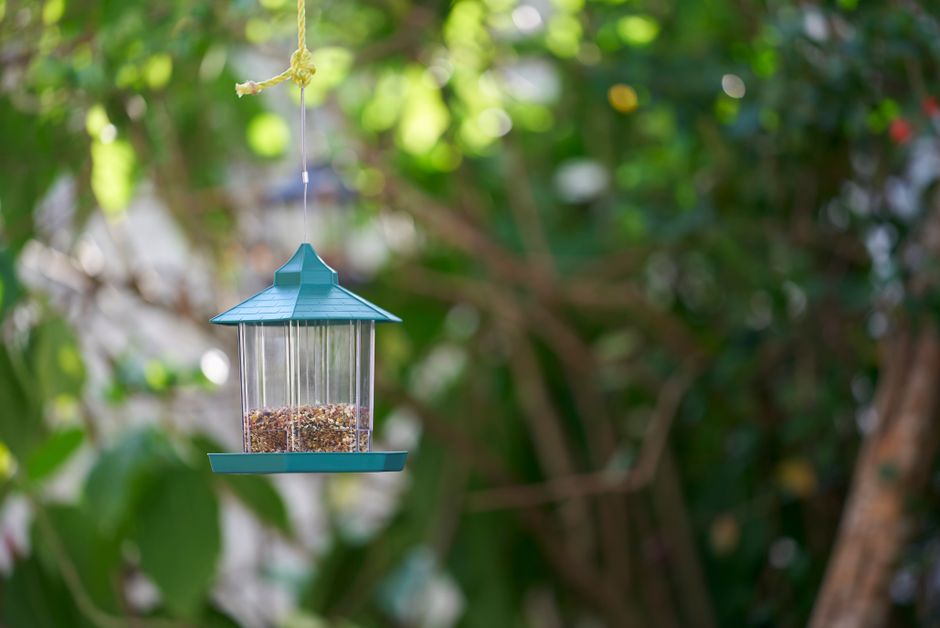
One of the most effective ways to help is to maintain clean feeders and birdbaths. Regular cleaning can reduce the spread of parasites and other pathogens. Use a mild bleach solution (one part bleach to nine parts water) to scrub feeders and baths, then rinse thoroughly and allow to dry before refilling. This practice can benefit all birds in the area.
Providing a safe habitat is also important. Ensure that birds have access to clean water for drinking and bathing. Offering a variety of native plants can attract insects, which are natural food sources for many birds. Avoid using pesticides in your yard, as these can harm birds and reduce their food supply.
If you find a bird that is severely weakened or unable to fly, it may need professional care. Contact a licensed wildlife rehabilitator in your area. Do not attempt to treat the bird yourself with medications, as improper treatment can be harmful. Rehabilitators have the training and resources to provide appropriate care.
For those who keep poultry or pet birds, the company PetNature offers products that may support bird health, but these are not intended for wild birds. Always follow local regulations regarding wildlife.
Preventive Measures and Best Practices
Prevention is often the best approach when it comes to parasites in backyard birds. By creating a healthy environment, you can help reduce the likelihood of severe infestations. Here are some best practices to consider.
- Clean feeders and birdbaths regularly, at least once a week, and more often in warm weather.
- Use multiple feeders to prevent crowding, which can facilitate parasite transmission.
- Rotate feeder locations to prevent buildup of droppings and parasites.
- Provide a birdbath with fresh water daily, and clean it thoroughly.
- Avoid overcrowding by spacing feeders and baths appropriately.
- Plant native vegetation to encourage a balanced ecosystem.
- Do not use pesticides or herbicides in areas frequented by birds.
- Keep cats indoors or supervise them when outside to reduce stress on birds.
- If you see a sick bird, clean the area and consider temporarily removing feeders to discourage congregation.
- Educate yourself about local wildlife and parasites to make informed decisions.
These measures can help maintain a healthy environment for backyard birds. However, it is important to remember that parasites are a natural part of the ecosystem, and complete elimination is neither possible nor desirable.
By following these practices, you can contribute to the well-being of backyard birds while respecting their wild nature. Always prioritize the bird’s welfare and seek professional advice when needed.
Supporting wild birds requires a balance between intervention and respect for natural processes.
In summary, understanding common parasites in backyard birds and their signs can help you make informed decisions. Safe support methods focus on cleanliness, habitat management, and knowing when to seek professional help. With careful observation and responsible practices, you can enjoy backyard birds while contributing to their health.