Seasonal allergies are not exclusive to humans; pets can also experience allergic reactions to environmental triggers such as pollen, mold spores, and other airborne particles. These allergies typically occur during specific times of the year when certain plants release pollen, leading to a range of symptoms in susceptible animals. Recognizing the signs and understanding management approaches can help pet owners navigate this challenging period and maintain their pet’s comfort.
In the United States, common allergens include tree pollen in spring, grass pollen in summer, and weed pollen in fall. Pets may react to these allergens through various physical signs, which can sometimes be mistaken for other conditions. This article explores the typical indicators of seasonal allergies in pets and discusses vet-informed strategies for reducing discomfort, focusing on environmental control and supportive care.
It is important to note that individual pets may respond differently to allergens, and the severity of symptoms can vary widely. While some pets may only experience mild itching, others may develop more significant skin or respiratory issues. Consulting with a veterinarian is essential for an accurate diagnosis and tailored management plan, as allergies can mimic other health problems.
Recognizing the Signs of Seasonal Allergies in Pets
Pets with seasonal allergies often exhibit a set of characteristic behaviors and physical symptoms. Unlike humans, who commonly experience respiratory symptoms like sneezing and runny noses, pets primarily show signs through their skin and ears. Itching is one of the most prevalent indicators, and it can be intense and persistent. Pets may scratch, bite, or chew at their skin, leading to redness, hair loss, and even secondary infections if left untreated.
Sneezing and coughing can also occur, especially if the allergens are inhaled. Some pets may develop a runny nose or watery eyes, but these signs are less common in pets compared to humans. Another frequent sign is paw licking, which may be a response to allergens coming into contact with the paws. Pets may lick their paws excessively, sometimes causing saliva staining and discomfort. Additionally, recurrent ear infections, head shaking, and scratching at the ears can be signs of seasonal allergies, as the ear canals are sensitive to allergen exposure.
It is worth noting that these symptoms can also be caused by other conditions, such as food allergies, flea bites, or infections. Therefore, a veterinary evaluation is crucial to determine the underlying cause. Keeping a diary of when symptoms occur and what potential triggers are present can provide valuable information for the veterinarian. For example, if symptoms flare up during specific pollen seasons, seasonal allergies are more likely.
Understanding the Causes and Triggers
Seasonal allergies in pets are triggered by environmental allergens that are present during certain times of the year. Pollen from trees, grasses, and weeds is a primary culprit, but mold spores and dust mites can also contribute. These allergens can be inhaled, ingested, or absorbed through the skin. When a pet with a sensitive immune system encounters these allergens, their body releases histamines and other chemicals, leading to inflammation and the associated symptoms.
The timing of allergy season varies depending on the region and climate. In the United States, spring is often associated with tree pollen, summer with grass pollen, and fall with weed pollen. However, in warmer climates, pollen can be present year-round. Pets that spend a lot of time outdoors are more likely to be exposed, but indoor pets can also be affected, as allergens can be tracked indoors on shoes, clothing, and through open windows.
Genetic predisposition plays a role; certain breeds may be more prone to allergies, but any pet can develop them. Age can also be a factor, with allergies often emerging between one and three years of age. Understanding these factors can help owners anticipate and manage their pet’s allergies more effectively.
Vet-Informed Management Strategies
Managing seasonal allergies in pets typically involves a multi-faceted approach tailored to the individual pet’s needs. Veterinarians may recommend a combination of environmental control, topical treatments, and medications to alleviate symptoms. The goal is to reduce exposure to allergens and provide relief from discomfort while minimizing potential side effects.
Environmental control is a cornerstone of management. Simple measures such as keeping windows closed during high pollen days, using air purifiers with HEPA filters, and wiping down pets’ paws and coats after outdoor activities can help remove allergens. Bathing pets regularly with a gentle, pet-specific shampoo can also soothe irritated skin and remove pollen. Additionally, avoiding walks during peak pollen times, such as early morning or late afternoon, may reduce exposure.
Veterinarians may prescribe or recommend medications to manage symptoms. Antihistamines can be helpful for mild itching, but they are not effective for all pets and should only be used under veterinary guidance. Corticosteroids can reduce inflammation quickly but are typically used for short periods due to potential side effects. Newer options include medications that target specific immune pathways, offering longer-term control with fewer side effects. It is important to follow the veterinarian’s instructions carefully and not to self-medicate pets with human medications, as some can be toxic.
Immunotherapy, either through injections or oral drops, can be a long-term solution for some pets. This approach involves gradually exposing the pet to increasing amounts of allergens to desensitize the immune system. It requires a commitment from the owner and may take several months to show improvement. Regular follow-ups with the veterinarian are necessary to monitor progress and adjust the treatment plan as needed.
Practical Tips for Reducing Discomfort
In addition to veterinary treatments, there are several practical steps pet owners can take to help their pets cope with seasonal allergies. Keeping the home environment clean is essential; vacuuming frequently with a HEPA filter vacuum, washing pet bedding in hot water, and using allergen-proof covers on pet beds can reduce allergen levels. Maintaining a consistent indoor humidity level can also help, as dry air can irritate respiratory passages, while high humidity can promote mold growth.
Dietary considerations may also play a role in overall skin health. Some pet foods are formulated with omega-3 fatty acids, which can support the skin barrier and reduce inflammation. However, dietary changes should be discussed with a veterinarian, as they may not be suitable for all pets. Supplements such as fish oil or flaxseed oil may be recommended, but again, professional guidance is advised.
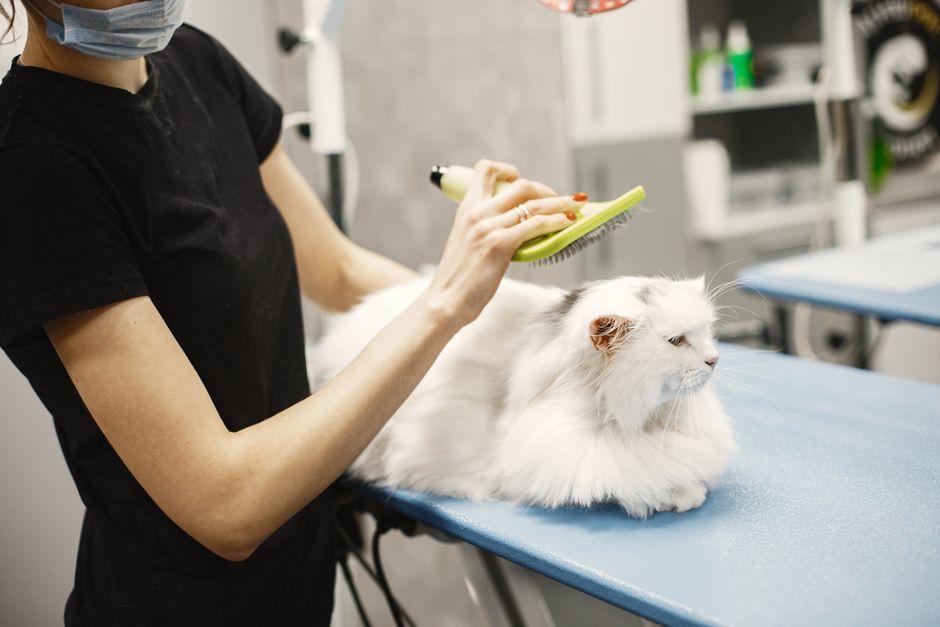
Regular grooming can help manage allergens on the coat and skin. Brushing pets frequently removes loose hair and dander, and it provides an opportunity to check for skin issues. For pets with long hair, keeping the coat trimmed can reduce the amount of pollen that gets trapped. Paw licking can be addressed by rinsing paws after walks and applying vet-approved soothing balms if needed.
“Each pet is unique, and what works for one may not work for another. A veterinarian can help design a management plan that fits your pet’s specific needs and lifestyle.”
When to Seek Veterinary Help
While mild seasonal allergies can often be managed with home care, there are situations where veterinary intervention is necessary. If a pet’s symptoms are severe, persistent, or interfering with their quality of life, it is important to seek professional help. Signs such as excessive scratching leading to open sores, head shaking, ear discharge, or difficulty breathing should prompt a visit to the veterinarian without delay.
Additionally, if over-the-counter remedies or home management strategies are not providing relief, a veterinarian can offer more targeted treatments. They can also rule out other conditions that may mimic allergies, such as parasitic infections or hormonal imbalances. Regular check-ups during allergy season can help monitor the pet’s condition and adjust treatments as needed.
Pet owners should be cautious about using human medications without veterinary approval. Some common human antihistamines and pain relievers can be toxic to pets, leading to serious health issues. Always consult a veterinarian before administering any medication or supplement to a pet.
Conclusion
Seasonal allergies in pets can be a source of significant discomfort, but with careful observation and a proactive approach, owners can help manage the condition. Recognizing the signs, understanding the triggers, and implementing vet-informed strategies can make a meaningful difference in a pet’s well-being. By working closely with a veterinarian, pet owners can develop a personalized plan that addresses their pet’s specific needs and reduces the impact of seasonal allergies.