Essential Grooming Routines for Long-Haired Cats
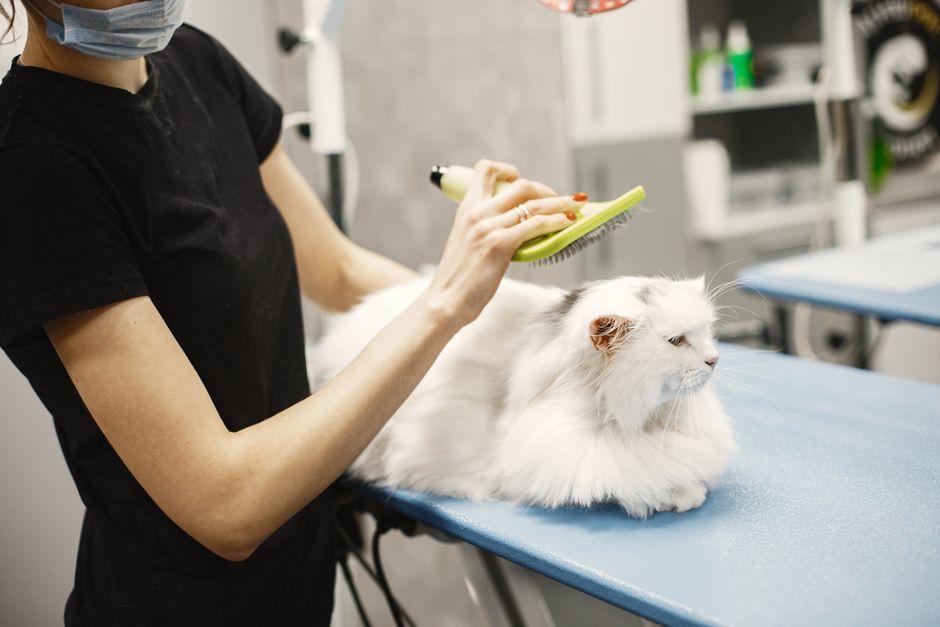
Long-haired cats possess a distinct beauty that requires consistent, thoughtful grooming. Their voluminous coats, while striking, can become tangled and matted if not properly maintained. Understanding the specific needs of these cats is essential for their comfort and overall skin health. This article explores the key components of a grooming routine, including brushing, bathing, and trimming, and offers guidance on frequency and technique. By adopting a systematic approach, cat owners can help prevent common issues such as mats and skin irritation, ensuring their feline companions remain healthy and comfortable.
Grooming is not merely a cosmetic practice; it is an integral part of a long-haired cat’s care regimen. Regular grooming sessions can help distribute natural oils, remove loose hair, and allow for early detection of skin problems. The frequency and methods used may vary depending on the cat’s individual coat type, lifestyle, and tolerance. This article provides a general framework that can be adapted to suit specific needs, emphasizing a gentle and patient approach. It is important to recognize that each cat is unique, and what works for one may not work for another.
In the following sections, we will delve into the specifics of brushing, bathing, and trimming, along with additional considerations for maintaining a healthy coat. The information presented aims to be informative and practical, enabling cat owners to make informed decisions about their pet’s grooming routine. While professional grooming services are available, many aspects of routine care can be performed at home with the right tools and techniques. Always consult with a veterinarian or professional groomer if you have concerns about your cat’s skin or coat condition.
Brushing: Frequency and Techniques
Brushing is the cornerstone of long-haired cat grooming. It helps remove loose fur, prevents tangles, and distributes natural oils across the coat. The frequency of brushing depends on the cat’s coat type; some long-haired breeds require daily brushing, while others may need it every other day. Cats with particularly dense or fine hair are more prone to matting, so more frequent sessions are advisable. Establishing a routine early in a cat’s life can make grooming a positive experience for both the owner and the cat.
Choosing the right tools is crucial for effective brushing. A combination of a wide-toothed comb and a slicker brush is often recommended. The comb helps detangle and remove debris, while the slicker brush smooths the topcoat and removes loose hair. For cats with thick undercoats, an undercoat rake can be beneficial. It is important to use gentle strokes and to avoid pulling on knots, as this can cause discomfort and skin irritation. Starting from the head and working towards the tail, brush in the direction of hair growth, paying extra attention to areas prone to matting, such as behind the ears, under the legs, and around the tail base.
If mats have already formed, do not attempt to cut them out with scissors, as this can easily injure the cat’s skin. Instead, use a mat splitter or seek professional help. Regular brushing can prevent mats from developing in the first place. During shedding seasons, which typically occur in spring and fall, more frequent brushing may be necessary to manage the increased volume of loose hair. Some cats may require daily brushing during these periods. Always make grooming sessions short and positive, rewarding your cat with treats or praise to build cooperation.
Bathing: How Often and How To
Bathing is another component of long-haired cat care, although cats are generally efficient self-groomers. Most long-haired cats do not require frequent baths; in fact, over-bathing can strip natural oils and lead to dry, irritated skin. A bath every four to six weeks is often sufficient for indoor cats, while those with oily coats or outdoor access may need more frequent bathing. However, the need for a bath can also arise if the cat gets into something sticky or dirty. It is important to use a cat-specific shampoo that is gentle and free of harsh chemicals.
Before bathing, thoroughly brush your cat to remove any loose hair and tangles. This will make the bathing process smoother and reduce the risk of mats forming during the bath. Fill a sink or tub with a few inches of lukewarm water and use a cup or handheld sprayer to wet the cat’s coat, avoiding the head and ears. Apply a small amount of shampoo and lather gently, working it through the coat. Rinse thoroughly with clean water, as any shampoo residue can cause skin irritation. If your cat has particularly long or thick fur, you may need to use a diluted shampoo or a sprayer to ensure proper rinsing.
After bathing, wrap your cat in a towel and pat dry. Do not rub vigorously, as this can cause tangles. If your cat tolerates it, you can use a hair dryer on the lowest heat and cool setting to help dry the coat, but keep it at a distance to avoid burns. Many cats find hair dryers frightening, so it is often best to let them air dry in a warm, draft-free room. Some cats may need professional grooming if they are difficult to bathe at home. Always introduce bathing gradually, especially for kittens, to help them become accustomed to the process.
Trimming: When and Where
Trimming is not always necessary for long-haired cats, but it can be helpful in certain situations. For example, trimming the hair around the sanitary area can prevent feces and urine from matting in the fur, which can lead to skin irritation and infection. Trimming the hair between the paw pads can improve traction and reduce the accumulation of debris. Some owners also choose to trim their cat’s coat shorter during hot summer months for comfort, but this should be done carefully to avoid exposing the skin to sunburn. Always use blunt-tipped scissors or specialized grooming clippers designed for pets.
When trimming, it is important to work slowly and carefully. Have someone help hold the cat if necessary, or consider using a grooming table with a noose to keep the cat secure. Trim only small amounts at a time, and never cut too close to the skin. If you are unsure about trimming, consult a professional groomer. They can provide guidance on appropriate styles and techniques. In some cases, a veterinarian may recommend trimming for medical reasons, such as to treat a skin condition or to remove severely matted fur that cannot be brushed out.
Regular trimming of nails is also an essential part of grooming. Long nails can snag on carpets and cause injury, and they can also make walking uncomfortable. Trim your cat’s nails every two to four weeks, using nail clippers designed for cats. Be careful to avoid cutting the quick, which is the pink area containing blood vessels and nerves. If you are unsure how to trim nails, ask your veterinarian or a groomer to demonstrate. Keeping nails trimmed contributes to your cat’s overall hygiene and comfort.
Preventing Mats and Skin Irritation
Preventing mats and skin irritation requires a combination of regular grooming, a healthy diet, and a suitable environment. Mats form when loose hair becomes tangled and binds together, often due to friction or moisture. Long-haired cats are particularly susceptible, especially in areas with thin skin or where hair rubs against itself, such as the armpits and groin. Frequent brushing is the most effective way to prevent mats. If you notice small tangles, address them immediately with a comb or your fingers, rather than waiting for them to worsen.
Skin irritation can result from a variety of factors, including matting, parasites, allergies, or infections. When brushing, inspect the skin for redness, bumps, or signs of parasites like fleas or ticks. If you notice any abnormalities, consult your veterinarian. A balanced diet rich in omega-3 fatty acids can promote healthy skin and coat, reducing the likelihood of irritation. Providing a clean, stress-free environment also supports overall health. Some cats may benefit from supplements or medicated shampoos, but these should only be used under veterinary guidance.
In addition to grooming, consider the cat’s lifestyle and age. Older cats may have difficulty grooming themselves and may require more assistance. Overweight cats may also struggle to reach certain areas. Adjust your grooming routine accordingly. If your cat is prone to mats despite regular brushing, consult a professional groomer for advice. They may recommend a different tool or technique, or a specific grooming schedule. Remember that grooming is a partnership; patience and consistency are key to maintaining a long-haired cat’s coat and skin health.
Tools and Products for Effective Grooming
Having the right tools and products can make grooming easier and more effective. For long-haired cats, essential tools include a stainless steel comb, a slicker brush, an undercoat rake, and blunt-tipped scissors. A grooming glove can be useful for cats that dislike traditional brushes. When selecting products, choose those specifically formulated for cats, as human products can be too harsh. PetNature offers a range of grooming tools and natural cat care products designed to support skin and coat health. However, always introduce new products gradually and monitor your cat for any adverse reactions.
Shampoos and conditioners should be gentle and free of artificial fragrances and dyes. Oatmeal-based shampoos can be soothing for cats with sensitive skin. For cats with allergies, hypoallergenic options are available. It is important to read labels and avoid products containing essential oils, as some can be toxic to cats. Always follow the instructions on the label and rinse thoroughly. In between baths, you can use cat-friendly grooming wipes to freshen the coat and remove dander. These can be especially useful for cats that are not fond of water.
Maintaining a clean grooming area is also important. Wash brushes and combs regularly with mild soap and water to prevent the buildup of oils and debris. Replace tools that become worn or damaged. Store grooming supplies in a clean, dry place. By investing in quality tools and products, you can make grooming a more pleasant experience for both you and your cat. Remember that consistency and positive reinforcement are essential for building a cooperative grooming routine.